
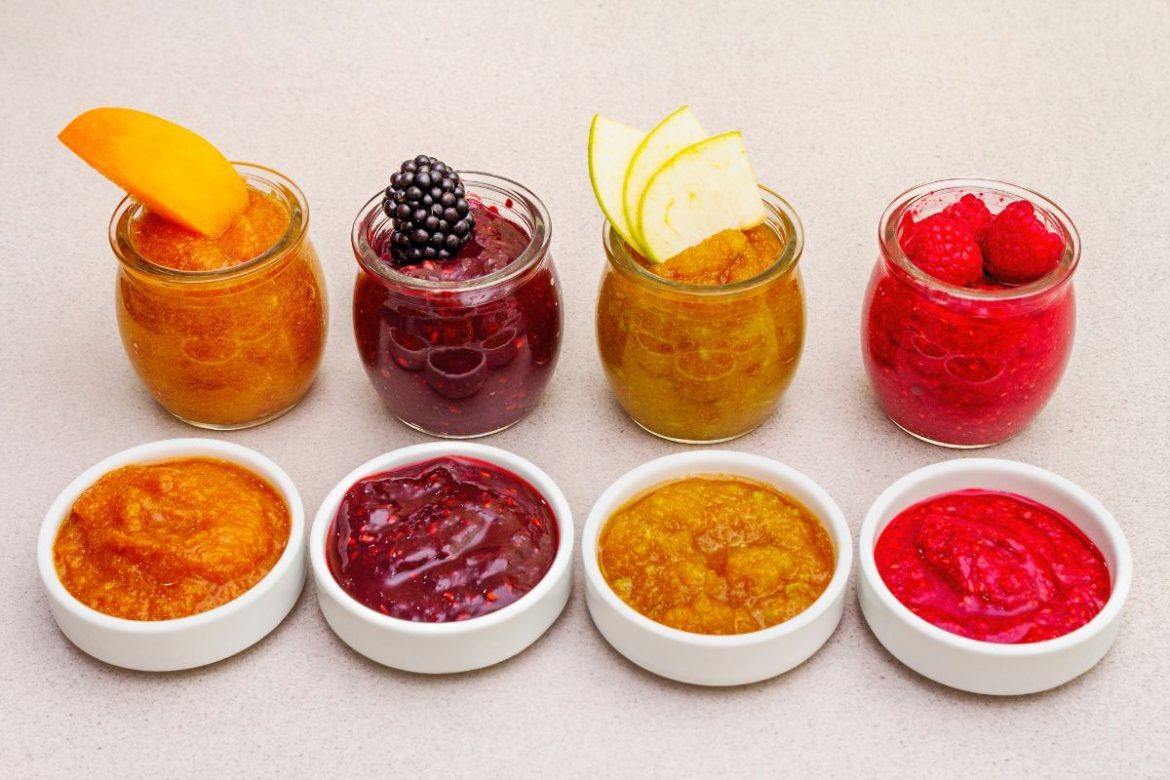
Fruit purees have become a vital ingredient in the evolving food and beverage industry, driven by their versatility, health benefits, and appeal to modern consumer preferences.
Whether used as a base for drinks or a substitute for artificial additives, fruit purees offer a clean-label, nutrient-rich solution.
According to Persistence Market Research, the global fruit puree market is expanding rapidly, supported by trends in health-conscious eating and sustainable product development.
One of the most widespread uses of fruit puree is in smoothies and juices. These beverages thrive on flavour, nutrition, and texture, all of which fruit purees deliver naturally. Mango, banana, and berry purees are used extensively in commercial smoothie blends, eliminating the need for added sugars or artificial flavourings.
Persistence Market Research noted that beverage manufacturers are increasingly investing in puree-based product lines to stand out in a competitive marketplace with the growing demand for on-the-go, health-boosting drinks.
Essential in Baby Food Formulations
Fruit purees are critical in baby food, particularly for infants transitioning to solids. Their soft texture and natural sweetness make them ideal for early-stage feeding. Apple, pear, and peach purees are among the top choices in jarred and pouch-packed baby food products.
Health-conscious parents prefer organic, preservative-free fruit purees for their babies, driving demand for traceable and clean-source products.
Yoghurts and Dairy Alternatives
In dairy, fruit purees are commonly used to flavour and colour yoghurts and plant-based dairy alternatives. Flavoured yoghurt cups often contain a layer of strawberry, blueberry, or mixed berry puree that enhances taste and improves texture and appeal.
In vegan and lactose-free products, fruit purees mask any bitterness from plant proteins and provide natural sweetness.
Baked Goods and Dessert Innovations
Bakers love fruit purees for their ability to enhance texture, flavour, and moisture in various products. Muffins, breads, cakes, and cookies can all benefit from including banana, apple, or pumpkin purees, which also help replace fats and eggs in vegan recipes. Fruit purees can be used as fillings in pastries or layered in dessert cups to elevate the visual and sensory experience.
Frozen Treats and Ice Cream
In the frozen dessert category, fruit purees are essential for crafting premium sorbets, gelatos, and ice creams. Their smooth consistency and vibrant colours make them ideal for frozen applications. Purees from tropical fruits like mango, guava, and passionfruit are popular in dairy and non-dairy ice cream formulations.
As the demand for dairy-free and allergen-free desserts grows, fruit purees provide a natural and flavorful alternative base. The global trend toward indulgent-yet-healthy frozen treats is prompting innovation, with many companies experimenting with layered fruit purees and textures in frozen novelties.
Flavouring and Sweetening in Confectionery and Snacks
Fruit purees are widely used in health-focused snacks such as fruit bars, energy balls, gummies, and nutrition bars. They act as a binding agent and a source of natural sweetness, reducing the need for refined sugars.
Date, fig, and berry purees are especially common in clean-label snacks designed for children and athletes. Their fibre content, along with a rich flavour profile, supports digestive health and provides lasting energy.
Culinary Uses in Sauces and Marinades
In savoury food segments, fruit purees are emerging as valuable components in sauces, glazes, and marinades. Chefs and food processors are increasingly experimenting with purees like apple, mango, and peach to create unique flavour profiles that pair well with meats, seafood, and plant-based proteins. These purees balance acidity and sweetness while also acting as natural tenderisers.
Boosting Functional Food and Wellness Products
Thanks to their inherent nutritional properties, purees are a great fit for the functional food market. Many fruit purees are rich in antioxidants, vitamins, and dietary fibre, making them suitable for wellness-oriented products such as immunity drinks, detox smoothies, and gut-friendly snacks.
Blueberry, acai, and pomegranate purees are prized for their health claims and visual appeal. These superfruit-based purees are now integrated into granolas, protein shakes, and dietary supplements. Their clean-label positioning aligns with consumer interest in natural remedies and preventive health.
Supporting the Vegan and Clean Label Movement
With more consumers shifting toward vegan and plant-based lifestyles, fruit purees are becoming a versatile substitute in recipe development. In baked goods, purees can replace eggs or butter, while frozen desserts serve as the primary flavouring and textural component. Clean label trends demand transparency and minimal processing, and fruit purees fit that need perfectly.
Sustainability and Waste Reduction
Fruit puree also minimises food waste by utilising surplus or cosmetically imperfect fruits that may otherwise go unsold. These fruits are processed into purees, offering a sustainable sourcing solution for food manufacturers.
Using local fruit suppliers, brands can reduce their carbon footprint and support regional agriculture. This circular production approach appeals to environmentally aware consumers who prefer food products with purpose and transparency.
Many companies now promote their use of upcycled or waste-reduction strategies as part of their brand identity, with fruit purees at the heart of this initiative.
Fruit purees have solidified their role as a multifunctional ingredient across a diverse range of food and beverage applications. As noted by Persistence Market Research, the global fruit puree market is set for continued expansion as manufacturers innovate across traditional and emerging product categories.
Want to know the latest in ingredients? Join SME Network to have the latest delivered to your inbox, join here.